E-Waste Pickup Services: Optimizing Your Recycling Efforts for a Greener Tomorrow
E-waste pickup services are reshaping how people and companies manage their recycling efforts. Such services make the disposal process easier while upholding environmental guidelines. They not only lessen the difficulty of hauling heavy electronic equipment but also promote eco-friendly practices. As consumers continue to prioritize green alternatives, comprehending the intricacies of these services becomes critical. What criteria should one examine when picking an electronic waste pickup provider? The answer may surprise you.
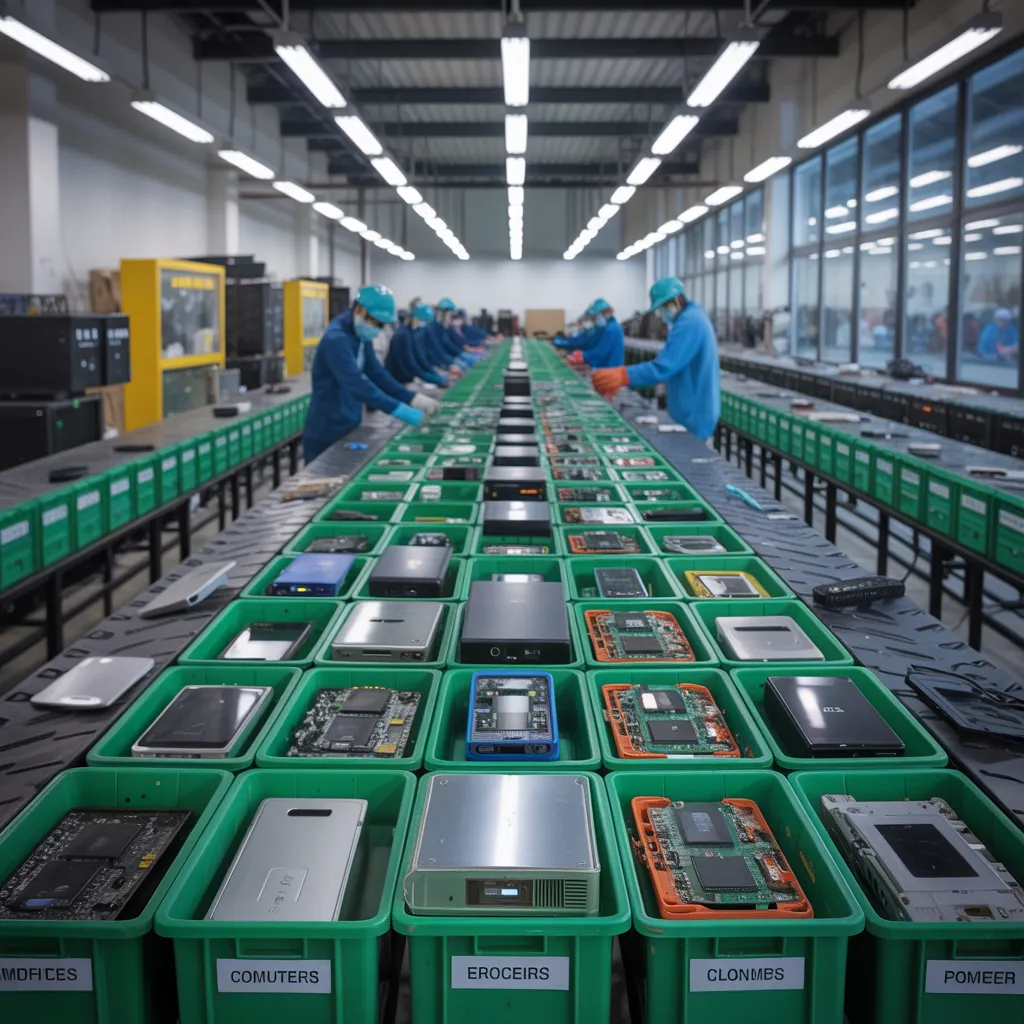
How E-Waste Pickup Mitigates Environmental Impact
E-waste collection services play a vital role in lessening the environmental consequences of unwanted electronic devices, as they enable the proper disposal and recycling of dangerous substances. These services help prevent harmful substances, such as cadmium, lead, and mercury, from contaminating soil and water systems. By effectively collecting and moving e-waste, they guarantee that harmful components are handled in compliance with environmental guidelines.
Additionally, electronic waste pickup services encourage resource recovery by diverting high-value materials, including gold, copper, and silver, back into the manufacturing process. This reduces the demand for virgin raw materials, thereby safeguarding natural resources and reducing energy consumption connected to mining and material processing.
Furthermore, these solutions raise general awareness about the value of responsible e-waste handling, inspiring individuals and businesses to adopt environmentally responsible practices. In general, e-waste retrieval services significantly advance a healthier, cleaner environment by resolving the challenges created by electronic waste.
Why You Should Use E-Waste Pickup Services
E-waste pickup services offer notable benefits for homeowners and organizations alike. Such services deliver flexible collection solutions, making the disposal of outdated electronics hassle-free. Furthermore, they guarantee sustainable disposal solutions, contributing to the reduction of ecological damage caused by e-waste.
Flexible Collection Methods
As individuals and businesses aim to properly manage their electronic waste disposal, utilizing pickup services offers a seamless solution. These services offer flexible collection options tailored to different schedules and requirements. Customers frequently have access to flexible pickup windows that serve both residential and commercial properties. This does away with the necessity of moving cumbersome equipment to drop-off centers, conserving significant time and resources. Furthermore, numerous e-waste collection services provide same-day or pre-scheduled pickups, improving convenience. By streamlining the collection process, these services encourage more people to recycle their electronic devices, ultimately reducing the environmental impact of e-waste. The convenience of arranging and completing pickups fosters responsible waste management, positioning it as a sensible solution for those committed to building a cleaner environment.
Green Disposal Approaches
Employing e-waste pickup services ensures that electronic items are handled in an eco-friendly way. These services specialize in handling multiple categories of electronic waste, guaranteeing that harmful substances, including lead and mercury never reach landfills. Through the use of certified recyclers, e-waste pickup services aid in resource conservation via the reclamation of valuable materials, minimizing the requirement for new raw materials. Furthermore, these services often comply with domestic and international guidelines, encouraging sustainable operations. Companies and individuals benefit from the practicality of planned pickups, easing the challenge of moving large items. Ultimately, adopting environmentally responsible disposal through e-waste collection services builds a foundation of sustainable thinking, encouraging responsible consumer behavior and reducing environmental impact.
What to Expect for E-Waste Pickup?
What can individuals expect from an e-waste pickup? Individuals can expect a streamlined process designed to facilitate responsible recycling of electronic waste. First, an appointment will be confirmed in advance, providing ample time for preparation. When the pickup day arrives, a trained team will be on hand to manage a wide range of electronic devices, guaranteeing safe handling and a smooth experience.
Customers are advised to prepare their e-waste by organizing the items requiring collection, as this helps streamline the pickup process. The retrieval team might give direction on what can and cannot be accepted. Safety procedures are commonly established, including personal protective equipment and correct handling practices for potentially harmful items.
Moreover, transparency plays a vital role; customers can expect to receive a confirmation or receipt of the collected items, reinforcing the focus on proper disposal. All in all, the electronic waste pickup service is designed to simplify the recycling experience while encouraging eco-friendly practices.
Essential Factors for Choosing an E-Waste Pickup Service
What steps can someone take to ensure they select the best e-waste pickup service? Choosing the right service demands thorough evaluation of a number of important factors. To begin, it is essential to confirm the service's credentials and adherence to both local and national environmental standards. This confirms that e-waste is processed in full compliance with legal and environmental guidelines. Furthermore, examining the organization's reputation via customer reviews and endorsements can shed light on their trustworthiness and professional standards.
Moreover, assessing the variety of services provided can prove advantageous; a comprehensive service might offer data destruction, recycling, and refurbishment choices. Additionally, openness in pricing is crucial; honest, upfront rates help eliminate unforeseen expenses. Finally, consider the company's responsiveness and customer service, as strong communication encourages a more streamlined retrieval experience. By prioritizing these factors, organizations and individuals can reliably choose an e-waste collection service that matches their environmental objectives.
Ready to Schedule Your E-Waste Pickup?
What is the optimal time to arrange an e-waste pickup? Choosing the right time can have a major impact on the overall efficiency of the recycling process. The ideal approach is for individuals to arrange pickups on weekdays, as service providers typically have more open slots during these days. Opting for early morning or late afternoon appointments can be advantageous, as traffic is usually lighter during these windows, resulting in more efficient service.
Additionally, planning in advance is key. Individuals should try to arrange pickups several days beforehand, especially during peak seasons or community recycling events. This guarantees that the chosen service can accommodate specific needs and preferences.
Furthermore, synchronizing the gathering with other household chores or decluttering efforts can optimize the process. By coordinating the electronic waste pickup with personal commitments, households can render the recycling initiative more effective and manageable. In the end, thoughtful scheduling fosters a more streamlined e-waste collection journey, fostering a pledge to sustainable environmental practices.
What's Next for E-Waste Recycling?
As the e-waste problem keeps expanding, future technologies in recycling are poised to transform the industry. Expected regulatory developments could significantly strengthen recycling initiatives, while creative collection approaches are designed to improve e-waste disposal accessibility. Together, these developments could greatly improve the efficiency and effectiveness of e-waste recycling practices.
Emerging Technologies in Recycling
Breakthroughs in technology are expected to reshape e-waste recycling, enhancing operational efficiency and environmental responsibility. Sophisticated robotic systems and automated sorting technologies are continually being adopted by recycling facilities, enabling the accurate segregation of valuable materials from electronic waste. Artificial intelligence (AI) serves a vital function in streamlining these operations, supporting real-time decision-making and enhancing recovery rates. Additionally, pioneering techniques such as hydrometallurgy and biotechnological approaches have the potential to isolate rare metals with minimal environmental impact. Blockchain technology is being investigated for overseeing e-waste during the recycling process, guaranteeing traceability and responsibility. As these developments progress, they will markedly reduce the ecological footprint of e-waste disposal, creating a foundation for a more environmentally responsible future in the recycling of electronic devices.
Changes to Policy Are Coming
Lawmakers are preparing to introduce significant policy changes designed to improve the management of electronic waste recycling. Such efforts aim to confront the increasing challenges related to electronic waste disposal and its ecological consequences. Suggested guidelines encompass more rigorous requirements for producers concerning the management of product lifecycles, motivating them to create recyclable products. Furthermore, rewards for customers to hand in outdated electronic products are under consideration, fostering a culture of responsible disposal. Authorities may additionally boost financial support for e-waste collection initiatives, working to enhance availability and productivity in e-waste collection. By promoting transparency and accountability within waste management operations, legislators aim to minimize landfill usage while enhancing material reclamation, thus establishing a more environmentally responsible framework for managing e-waste going forward.
Creative Collection Approaches
Transforming electronic waste collection approaches is essential for boosting recycling effectiveness and reach. Innovative technologies, such as smartphone applications, facilitate on-demand pickups, allowing consumers to plan collection at their convenience. Additionally, collaborations with nearby businesses and community hubs create designated drop-off points, increasing the Request a quote convenience of recycling. Advanced bins equipped with sensors can assess storage capacity, securing efficient collection and streamlining logistics. In addition, reward-based approaches motivate engagement by rewarding individuals or communities for their recycling efforts. These advancements not only optimize the retrieval workflow but also promote understanding of proper electronic waste management. As these advanced techniques grow in popularity, they herald a more eco-friendly era for e-waste management, ultimately contributing to a greener planet.
Frequently Asked Questions
Which Types of Electronic Waste Are Accepted for Pickup?
E-waste pickup services commonly handle items such as aging computers, televisions, mobile phones, tablets, printers, and a range of electronic accessories. These programs work to carefully recycle and handle electronic devices in an eco-conscious way.
Do E-Waste Pickup Services Come With Any Fees?
Fees for electronic waste pickup programs tend to fluctuate depending on geographic region and the category of electronics being collected. Certain providers may provide no-cost retrieval, while other providers may impose costs based on the quantity or particular electronics.
How Is Data Security Ensured During E-Waste Disposal?
Data security during e-waste disposal is guaranteed through processes like secure data erasure, physical demolition of storage media, and verification from certified recyclers, securing critical information and deterring unauthorized access to individual and organizational data.
Are E-Waste Pickup Services Available for Businesses?
Indeed, organizations are able to make use of e-waste removal services. These services cater specifically to organizations, guaranteeing the proper disposal and recycling of electronic devices while promoting environmental responsibility and compliance with regulations regarding safe e-waste management practices.
What Occurs with E-Waste Once It Has Been Collected?
Once e-waste has been collected, it is sorted for recyclable materials, followed by dismantling and processing. Hazardous materials are disposed of in a safe manner, while reusable metals and plastics are processed and repurposed, playing a vital role in sustainable resource management efforts.